Being a client-oriented company; we provide our clients with customized solutions for HDPE Tarpaulin & woven sacks. We can also package the products as per the specifications provided by clients to ensure safe and secure transit.
Severity: Warning
Message: session_start(): Failed to initialize storage module: user (path: /home/arorapolymers/public_html/system/sessions)
Filename: Session/Session.php
Line Number: 137
Backtrace:
File: /home/arorapolymers/public_html/application/controllers/Aashishtest.php
Line: 7
Function: __construct
File: /home/arorapolymers/public_html/index.php
Line: 317
Function: require_once
Being a client-oriented company; we provide our clients with customized solutions for HDPE Tarpaulin & woven sacks. We can also package the products as per the specifications provided by clients to ensure safe and secure transit.
Being a client-oriented company; we provide our clients with customized solutions for HDPE Tarpaulin & woven sacks. We can also package the products as per the specifications provided by clients to ensure safe and secure transit.
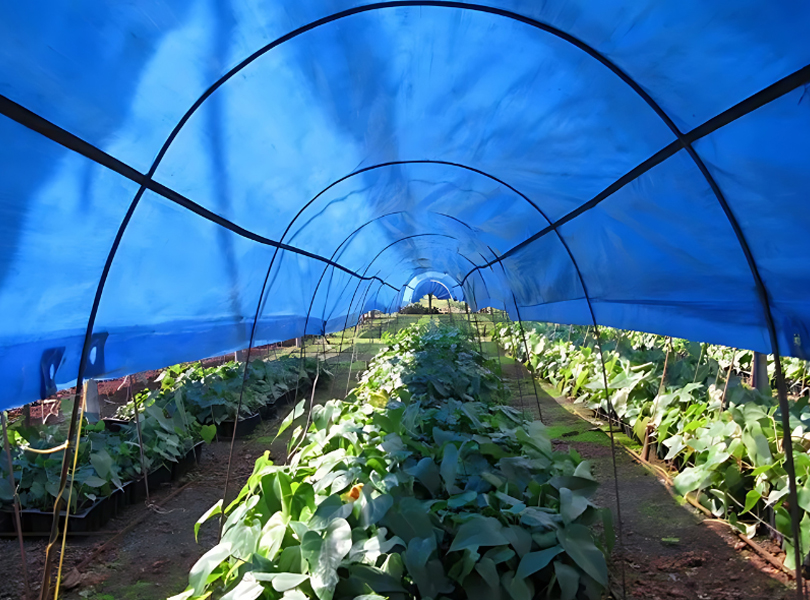
When businesses, farmers, contractors, transporters, and industrial users need dependable protection against rain, sunlight, dust, moisture, and changing weather conditions, HDPE laminated tarpaulin is one of the most practical covering solutions available. Choosing the right manufacturer is important because the quality of the fabric, lamination, weaving, coating, edges, eyelets, and overall finishing can directly affect product performance and service life.
For buyers looking for HDPE Laminated Tarpaulin Manufacturers in Delhi, Arora Polymers offers a reliable manufacturing-focused solution for applications where strength, flexibility, weather resistance, and economical protection are required. HDPE laminated tarpaulins are widely used across agriculture, construction, transportation, warehousing, logistics, industrial storage, and outdoor covering applications.
This guide explains what HDPE laminated tarpaulin is, how it is manufactured, its key advantages, common applications, important quality parameters, and what buyers should consider when selecting HDPE Laminated Tarpaulin Manufacturers in Delhi.
HDPE stands for High-Density Polyethylene, a strong and lightweight polymer commonly used for manufacturing protective products. HDPE laminated tarpaulin is generally produced using woven HDPE fabric that is laminated with polyethylene layers to improve its resistance to moisture, weather conditions, and general outdoor exposure.
The woven structure provides tensile strength, while the laminated layers create a protective barrier. Depending on the intended application, tarpaulins can be manufactured in different sizes, thicknesses, GSM specifications, colors, and configurations.
Reliable HDPE Laminated Tarpaulin Manufacturers in Delhi understand that different applications require different combinations of strength, weight, flexibility, waterproofing performance, and durability. Therefore, product selection should be based on the actual working environment rather than simply choosing the lowest-priced tarpaulin.
HDPE laminated tarpaulin has become popular because it provides a useful balance between durability, weight, flexibility, and cost. Unlike many heavy covering materials, HDPE tarpaulin can be handled relatively easily while still providing effective protection for a wide range of goods and surfaces.
Some major advantages include:
• Good resistance to moisture
• Lightweight and easy handling
• High tensile strength
• Flexible construction
• Suitable for temporary and semi-permanent covering
• Resistance to common outdoor conditions
• Easy storage when folded
• Available in different sizes and specifications
• Suitable for commercial and industrial applications
• Cost-effective compared with many alternative covering materials
For businesses sourcing from HDPE Laminated Tarpaulin Manufacturers, these features make the product suitable for applications where materials need to be protected without adding excessive weight or handling complexity.
The quality of a tarpaulin depends heavily on the manufacturing process. Professional HDPE Laminated Tarpaulin Manufacturers in Delhi generally follow multiple controlled stages to produce consistent and dependable products.
The process begins with suitable polyethylene raw materials. The quality and consistency of the polymer can influence the strength, flexibility, appearance, and overall performance of the finished tarpaulin.
Manufacturers need to select raw materials according to the required product specifications and intended application.
The polymer is processed through extrusion equipment to produce suitable tapes. These tapes form the basic structural components of the woven fabric.
Uniform tape quality is important because inconsistencies can affect fabric strength and dimensional stability.
The HDPE tapes are woven together to create a strong fabric structure. The weaving pattern contributes to the mechanical strength of the tarpaulin.
A properly controlled weaving process helps achieve consistent fabric density and strength throughout the sheet.
After weaving, the fabric is laminated with polyethylene layers. Lamination helps improve moisture resistance and provides additional protection to the woven structure.
The quality of lamination is particularly important for products intended for outdoor use, transportation covers, agricultural applications, and storage protection.
The laminated material is cut into the required dimensions. Edges can be reinforced depending on the product specification and intended application.
For many tarpaulin applications, eyelets are installed around the edges to make tying, fastening, and installation easier. Reinforced edges can provide additional strength at points where ropes, hooks, or fastening systems are used.
Before dispatch, finished tarpaulins should be checked for dimensions, surface quality, lamination consistency, edge finishing, eyelet placement, and other applicable specifications.
This systematic approach helps HDPE Laminated Tarpaulin Manufacturers in Delhi provide products suitable for different commercial and industrial requirements.
Not every tarpaulin performs the same way. Buyers should evaluate several characteristics before placing a bulk order.
A good tarpaulin should withstand normal handling, installation, folding, pulling, and outdoor use without easily tearing. Tensile strength becomes particularly important for transport covers and construction applications.
One of the primary reasons businesses use laminated tarpaulins is to protect materials from rain and moisture. Proper lamination can help create an effective protective barrier.
Tarpaulins used outdoors may be exposed to sunlight, rain, wind, dust, and temperature changes. The product specification should therefore be selected according to the expected environmental conditions.
A flexible tarpaulin is easier to fold, transport, install, and store. Flexibility is particularly useful when covers need to be installed or removed regularly.
Strong edges can improve the durability of a tarpaulin, particularly around fastening points. Reinforced construction can help reduce the risk of damage during regular installation and handling.
GSM, or grams per square metre, indicates the approximate weight of the fabric per unit area. Depending on the application, buyers may require lighter or heavier tarpaulins.
The appropriate GSM should be selected based on the required strength, handling requirements, and working environment rather than assuming that a higher GSM is automatically suitable for every application.
HDPE laminated tarpaulins are versatile products and can be used in numerous sectors.
Farmers use tarpaulins for various protective purposes, including covering agricultural materials, temporary storage, crop-related applications, and protection from rain and dust.
Agricultural users generally need materials that are easy to install and handle while providing dependable protection from outdoor conditions.
Construction sites frequently require temporary covers for building materials, equipment, sand, aggregates, tools, and other supplies.
Tarpaulins can help reduce exposure to rain, dust, and other environmental elements.
Transporters and logistics companies use tarpaulins to cover goods carried by trucks and other vehicles. A properly selected cover can help protect cargo during transportation.
The right size, strength, fastening arrangement, and edge construction are important for transport applications.
Warehouses may use tarpaulins as temporary covers for stored materials, equipment, machinery, or goods.
They can provide an economical additional layer of protection where permanent storage infrastructure is not available or where flexible covering is required.
Manufacturing units and industrial facilities may use HDPE laminated sheets for covering machinery, raw materials, equipment, and other items.
Industrial applications can have specific requirements, so buyers should discuss operating conditions with experienced HDPE Laminated Tarpaulin Manufacturers before selecting the product.
Outdoor storage exposes products to changing weather conditions. Tarpaulins can provide a practical covering solution for materials that need temporary or semi-permanent protection.
Tarpaulin sheets can also be used for temporary shelters, partitions, ground covers, and other outdoor applications where flexible waterproof covering is needed.
Delhi is a major commercial and industrial market with strong connectivity to northern India. For buyers located in Delhi NCR and surrounding industrial regions, sourcing from local HDPE Laminated Tarpaulin Manufacturers in Delhi can provide logistical and commercial advantages.
Local manufacturing can make coordination easier for buyers requiring regular or bulk supplies.
Direct communication with the manufacturer can help buyers discuss dimensions, GSM, colors, packaging, quantities, and application requirements.
Different customers may need different dimensions or product configurations. Direct engagement with HDPE Laminated Tarpaulin Manufacturers in Delhi can make it easier to discuss customized requirements.
For customers located in Delhi NCR and nearby states, sourcing locally can potentially simplify transportation and delivery planning.
Commercial customers often need tarpaulins in large quantities. Manufacturers can discuss production schedules and bulk requirements according to order specifications.
The Indian tarpaulin market includes manufacturers and suppliers serving agriculture, construction, transportation, logistics, warehousing, and industrial sectors. When comparing HDPE Laminated Tarpaulin Manufacturers in India, buyers should look beyond price.
A reliable supplier should demonstrate:
• Consistent product quality
• Suitable raw material selection
• Controlled manufacturing processes
• Consistent dimensions
• Proper lamination
• Good edge finishing
• Reliable eyelet installation where required
• Capacity to handle bulk orders
• Clear product specifications
• Responsive customer communication
• Suitable packaging for transportation and storage
The ideal supplier is one that can match the product specification to the customer's actual application.
Before purchasing, buyers should consider several factors.
First determine where the tarpaulin will be used. A sheet intended for agricultural storage may have different requirements from a truck cover or industrial equipment cover.
GSM affects product weight and can correlate with material construction. Choose a specification appropriate for the intended use.
Accurate dimensions are important for proper coverage. Measure the area that needs protection and consider how the sheet will be secured.
The lamination should be reasonably uniform and suitable for the expected exposure to moisture and weather.
If the tarpaulin will be frequently tied or stretched, reinforced edges and appropriate fastening points become particularly important.
Where eyelets are required, examine their placement and attachment. They should be suitable for the ropes or fastening systems being used.
Businesses purchasing in large quantities should communicate their expected volume, delivery schedule, dimensions, and specifications before finalizing an order.
Experienced HDPE Laminated Tarpaulin Manufacturers in Delhi can help buyers identify a suitable specification based on these factors.
Tarpaulins are available in different materials and constructions. HDPE laminated tarpaulin is particularly useful where customers want a combination of lightweight handling, strength, flexibility, and moisture protection.
Compared with heavier traditional coverings, HDPE tarpaulin can be easier to transport and install. It can also be folded for storage when not in use.
However, no single material is ideal for every situation. Buyers should consider exposure, duration of use, mechanical stress, temperature, installation method, and required protection before selecting a covering material.
This is why discussing requirements directly with HDPE Laminated Tarpaulin Manufacturers can be more useful than selecting a product based only on appearance or price.
Quality control is essential for maintaining consistency across production batches. A professional manufacturer should pay attention to raw materials, tape formation, weaving, lamination, cutting, finishing, and packaging.
Important inspection areas may include:
• Fabric uniformity
• Lamination consistency
• Sheet dimensions
• GSM consistency
• Edge finishing
• Eyelet positioning
• Surface defects
• Overall appearance
• Packaging condition
Quality control is especially important for commercial customers who use tarpaulins repeatedly and require predictable performance across multiple orders.
For buyers comparing HDPE Laminated Tarpaulin Manufacturers in Delhi, manufacturing consistency should therefore be one of the most important evaluation criteria.
Arora Polymers focuses on providing practical polymer-based covering solutions for customers requiring quality, consistency, and application-oriented products.
When selecting a tarpaulin manufacturer, buyers should expect more than a basic product. They need a supplier that understands different applications and can provide suitable specifications for agriculture, transportation, construction, storage, and industrial use.
Arora Polymers aims to support customers with dependable HDPE laminated tarpaulin solutions while maintaining attention to product specifications and customer requirements.
Whether the requirement is for regular procurement, bulk supply, commercial usage, or industrial applications, working directly with HDPE Laminated Tarpaulin Manufacturers in Delhi can help businesses communicate their requirements more effectively.
Choosing a tarpaulin only because it is inexpensive can sometimes lead to higher replacement and maintenance costs. Buyers should avoid several common mistakes.
The cheapest product may not always provide the required strength or durability. Consider total value rather than purchase price alone.
GSM can be an important specification. Buyers should understand the required material weight and construction for their application.
An incorrectly sized tarpaulin may leave exposed areas or create installation problems.
Edges experience significant stress during fastening. Strong edge construction can therefore be important for many applications.
Even good-quality tarpaulin can be affected by improper storage. Folded sheets should ideally be stored in a clean and dry environment when not in use.
A tarpaulin designed for light temporary covering may not be appropriate for demanding industrial or transportation applications. Always match the specification to the actual requirement.
Proper handling and storage can help extend the useful life of a tarpaulin.
After use, remove accumulated dirt and allow the sheet to dry before long-term storage. Avoid folding and storing a wet tarpaulin for extended periods.
When folding the product, avoid unnecessary sharp creases or rough handling. Store it away from sharp objects that could puncture or cut the material.
During installation, avoid excessive tension beyond what the product and fastening system are designed to handle.
Regularly inspect the sheet for cuts, punctures, damaged eyelets, or weakened edges. Early identification of damage can make repairs or replacement decisions easier.
The versatility of HDPE laminated tarpaulin makes it useful across several sectors, including:
• Agriculture and farming
• Construction
• Transportation
• Logistics
• Warehousing
• Manufacturing
• Industrial storage
• Outdoor material storage
• Infrastructure projects
• Temporary shelter applications
• Commercial establishments
• Equipment protection
The exact product specification should always be selected according to the environment and intended use.
For customers searching for HDPE Laminated Tarpaulin Manufacturers in Delhi, choosing a manufacturer with an application-focused approach can simplify procurement.
Arora Polymers can be considered by businesses looking for HDPE laminated tarpaulin solutions for different commercial and industrial requirements. Customers can discuss their required dimensions, specifications, quantities, and intended application to determine the most appropriate product.
A manufacturer-led purchasing process also gives buyers an opportunity to clarify questions about product construction, handling, packaging, and supply requirements before placing an order.
HDPE laminated tarpaulin is a versatile protective material that offers a practical combination of strength, flexibility, moisture resistance, lightweight handling, and cost efficiency. Its wide range of applications makes it useful for agriculture, construction, transportation, warehousing, logistics, and industrial storage.
For businesses searching for HDPE Laminated Tarpaulin Manufacturers in Delhi, the selection process should focus on more than just price. Product construction, GSM, dimensions, lamination, edge reinforcement, eyelets, quality consistency, application requirements, and supplier reliability all deserve careful consideration.
Arora Polymers can serve as a manufacturing partner for businesses looking for dependable HDPE laminated tarpaulin solutions. By discussing the intended application and required specifications before ordering, customers can select a product that better matches their operational needs.
Whether you need tarpaulin for agricultural protection, transportation covers, construction sites, warehouse storage, or industrial applications, choosing experienced HDPE Laminated Tarpaulin Manufacturers in Delhi can help ensure better product selection, consistent supply, and practical long-term value.
For businesses comparing HDPE Laminated Tarpaulin Manufacturers in India, the same principle applies: select a manufacturer that emphasizes product consistency, suitable specifications, quality manufacturing, and customer requirements rather than making a decision based solely on price.
Looking for reliable HDPE laminated tarpaulin for your business or industrial requirement? Connect with Arora Polymers to discuss your required size, GSM, quantity, application, and product specifications.
1. What are HDPE laminated tarpaulins used for?
HDPE laminated tarpaulins are used to protect goods, equipment, agricultural materials, construction supplies, vehicles, and stored products from rain, moisture, dust, sunlight, and outdoor conditions. They are widely used in agriculture, transportation, construction, warehousing, logistics, and industrial applications.
2. What are the benefits of HDPE laminated tarpaulin?
The main benefits of HDPE laminated tarpaulin include good tensile strength, lightweight construction, flexibility, moisture resistance, easy handling, convenient storage, and suitability for outdoor covering applications. The right specification can provide a practical and economical protection solution for commercial and industrial users.
3. How do I choose the best HDPE Laminated Tarpaulin Manufacturers in Delhi?
When selecting HDPE Laminated Tarpaulin Manufacturers in Delhi, consider manufacturing quality, raw material selection, GSM options, lamination quality, dimensions, edge reinforcement, eyelet quality, customization capabilities, production capacity, and consistency of supply. A reliable manufacturer should also understand your specific application requirements.
4. Is HDPE laminated tarpaulin waterproof?
Yes, properly manufactured HDPE laminated tarpaulin provides effective resistance to water and moisture. The waterproofing performance depends on factors such as fabric construction, lamination quality, seams, edges, eyelets, and installation. Buyers should select the appropriate specification for the intended application.
5. Can HDPE laminated tarpaulin be used for outdoor applications?
Yes. HDPE laminated tarpaulin is commonly used for outdoor applications such as covering construction materials, agricultural products, vehicles, machinery, and stored goods. The product specification should be selected according to expected exposure to sunlight, rain, wind, and other environmental conditions.
6. Which industries use HDPE laminated tarpaulin?
HDPE laminated tarpaulin is used across agriculture, construction, transportation, logistics, warehousing, manufacturing, industrial storage, infrastructure, and commercial sectors. Its flexible and protective properties make it suitable for covering and safeguarding various materials and equipment.
7. What factors determine the quality of HDPE laminated tarpaulin?
Important quality factors include raw material quality, fabric construction, GSM, tensile strength, lamination consistency, dimensions, edge reinforcement, eyelet installation, and overall finishing. Quality control during manufacturing is essential for maintaining consistent product performance.
8. Can HDPE laminated tarpaulins be customized?
Yes, depending on the manufacturer's capabilities, HDPE laminated tarpaulins can be produced in different sizes, GSM specifications, colors, and configurations. Businesses with specific requirements should discuss their application, dimensions, quantity, and technical specifications directly with HDPE Laminated Tarpaulin Manufacturers.
9. Why choose HDPE Laminated Tarpaulin Manufacturers in India?
Choosing experienced HDPE Laminated Tarpaulin Manufacturers in India can provide access to different product specifications, bulk supply capabilities, application-specific solutions, and manufacturing support. Buyers should evaluate suppliers based on product quality, consistency, manufacturing capabilities, and ability to meet their specific requirements.
10. Why choose Arora Polymers for HDPE laminated tarpaulin?
Arora Polymers can be considered by businesses looking for reliable HDPE laminated tarpaulin solutions for agriculture, construction, transportation, storage, logistics, and industrial applications. Customers can discuss their required dimensions, GSM, quantity, and application to identify a suitable tarpaulin specification.